November 4, 2026
Major property cleanouts generate immense quantities of waste that standard municipal garbage bins cannot accommodate. Managing such extensive debris requires a dedicated strategy to keep project sites organized. Property owners must secure adequate waste containment to prevent safety hazards and avoid delays. Securing a roll off dumpster provides an efficient containment vessel. Making proactive decisions about trash management prevents severe complications.
Before finalizing a rental agreement, individuals must evaluate multiple project variables. Not all containers suit every project, and misunderstanding rental requirements leads to frustration. According to Dumpsters.com, the U.S. generates approximately 268 million tons of trash each year. Handling a fraction of that waste requires careful logistics. Consumers must review site limitations, material guidelines, scheduling, and pricing models to guarantee smooth waste removal.
1. Analyzing Available Property Space
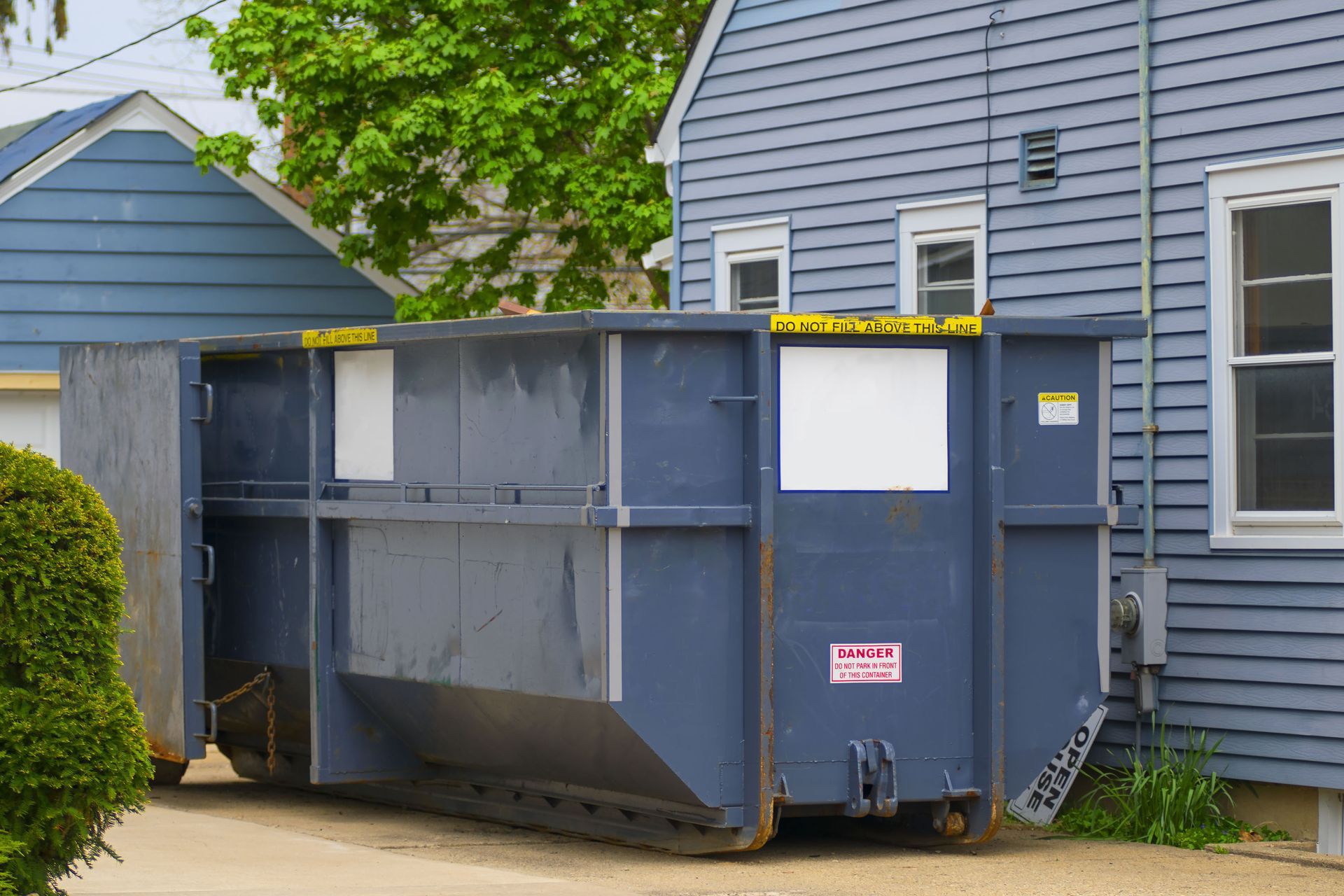
The physical dimensions of a property dictate where a waste container can sit. Customers must measure their driveways or yards to ensure adequate room exists. A roll off dumpster requires substantial clearance for the delivery truck. Delivery vehicles need ample room to operate hydraulic lift systems. Property owners should clear paths and verify overhead clearance before scheduling a drop-off.
Beyond mere space, the surface material of the placement area matters. Heavy steel containers filled with dense debris exert massive pressure on driveways. Asphalt and concrete surfaces might suffer cracks without protective measures. Placing wooden planks beneath the wheels distributes the weight and prevents damage. Soft surfaces like grass present sinking risks. Reviewing surface stability prevents expensive driveway repairs.
Property owners must factor in municipal regulations regarding container placement on public streets. Some residences lack private driveways, forcing placement along the curb. Placing any large object on a public roadway requires a permit from local authorities. Renters must research homeowner association guidelines to avoid fines. Municipalities restrict the duration a container can remain on the street to prevent traffic obstructions.
Accessibility for the property occupants during the rental period requires thought. Placing a massive steel bin in a driveway might block garage access. Individuals living on the property need clear walking paths to navigate around the worksite without risk. Blocking pedestrian walkways near intersections creates safety hazards. Strategic placement ensures the container remains convenient for waste disposal without disrupting daily routines.
2. Evaluating Permitted Debris Categories
Waste management companies enforce strict guidelines regarding the materials allowed inside their containers. Consumers assume any discarded item can go into a rented bin, but hazardous materials remain prohibited. Tossing restricted items into a roll off dumpster results in penalties. Flammable liquids, wet paint, and chemical solvents pose environmental dangers. Contaminating a load with chemicals forces facilities to reject the batch.
Electronics and household appliances face rigid disposal regulations due to internal components. Refrigerators contain refrigerants that require specialized extraction processes before disposal. Televisions hold heavy metals that contaminate groundwater if placed in standard landfills. Disposing of these items requires utilizing dedicated recycling centers. Renters must inventory their anticipated waste to identify any items requiring alternative disposal methods.
Mixing certain permitted materials can cause logistical issues. Heavy materials like concrete and roofing shingles alter weight limits compared to household junk. Filling a large container to the brim with concrete makes the bin too heavy to lift. Companies mandate smaller containers for dense materials. Project managers executing heavy demolition must communicate the material type to the rental company prior to scheduling.
Organic yard waste might face specific sorting rules depending on local policies. Tree stumps and heavy branches sometimes require separate handling from construction debris. Many facilities divert organic materials to composting centers rather than traditional landfills. Mixing lumber with tree branches could prevent the facility from recycling the organic matter. Understanding material constraints promotes responsible waste management.
3. Reviewing Delivery Scheduling Details
Timing plays a crucial role in maintaining momentum during property cleanouts. Renters must coordinate container delivery to align with the commencement of demolition. Securing a roll off dumpster weeks before waste generation begins wastes money on unused rental days. Project managers should align the drop-off with the day waste begins accumulating. Coordinating the arrival time ensures crew members are ready to work.
Rental companies experience fluctuating demand throughout the year, impacting container availability. Spring and summer months bring surges in construction projects, causing regional shortages. Consumers planning projects during peak seasons must reserve their containers well in advance. Late requests during busy periods result in limited options or delayed drop-off dates. Proactive scheduling prevents project delays caused by a lack of equipment.
The duration of the rental period is another critical scheduling element. Most companies offer flat-rate pricing for a set duration, with additional fees applied for extended use. Renters must estimate project timelines to avoid rushing the cleanup process. Unforeseen weather events can extend construction timelines beyond the initial projection. Building a buffer into the rental schedule provides flexibility.
Pickup logistics demand attention alongside initial delivery coordination. When a container reaches capacity, the worksite comes to a halt until the company retrieves the full bin. Renters anticipating massive amounts of debris should plan for potential swap-outs. Coordinating swap-outs keeps the project moving without disruptive pauses. Efficient scheduling keeps the property clean and the project timeline intact.
4. Understanding Base Pricing Structures
Cost considerations play a significant role in project planning. Waste removal pricing can appear complex to new renters. Companies utilize varying pricing models, with flat-rate and variable-rate structures being the most common approaches. A flat-rate structure bundles the cost of a roll off dumpster, delivery, and pickup into a single price. Variable pricing might charge a base delivery fee plus weight costs.
Weight limits represent a critical factor in final billing and require estimation. A container filled with old clothing weighs less than the same container filled with roofing shingles. Exceeding the allotted weight limit triggers overage charges, which escalate the final bill. Renters must discuss the nature of their debris with the company to establish a realistic weight expectation.
Potential hidden fees can impact the overall cost of a waste container rental. Some companies charge extra for delivery to remote locations outside their primary service zones. Fuel surcharges might apply depending on the distance the delivery truck must travel. Renters should inquire about environmental fees that the initial quote might exclude. Transparency in pricing prevents unexpected financial burdens.
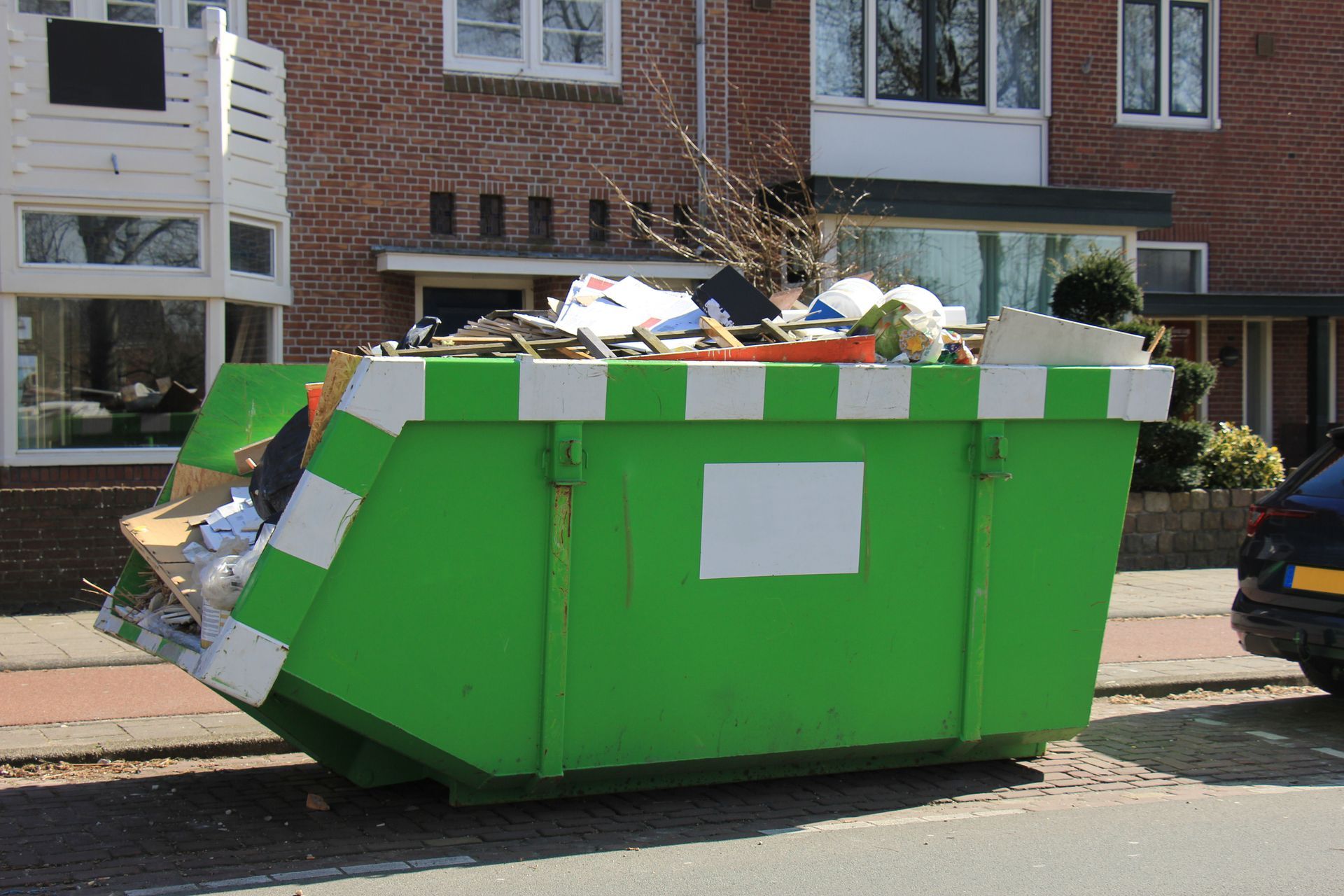
Fines resulting from improper usage represent another potential cost that renters must avoid. Throwing prohibited items into the bin or overfilling the container past the designated fill line leads to penalties. Overfilled bins pose severe dangers on the highway, and drivers refuse to transport them. Adhering to the material guidelines keeps the final cost aligned with the initial quote.
Managing project debris requires strategic planning and a clear understanding of rental policies. Selecting a roll off dumpster is a practical solution for handling vast quantities of waste, provided the renter evaluates the associated logistics. Space availability, material restrictions, scheduling demands, and pricing models all influence the success of a waste removal strategy. Ignoring any of these elements risks safety hazards.
Property managers benefit from researching container rentals before commencing major projects. Clear communication with the rental company establishes expectations and prevents misunderstandings regarding delivery, usage, and pickup. Maintaining a safe, clutter-free environment allows workers to focus on the task without navigating through hazardous debris piles. By considering these primary factors, individuals ensure a seamless waste disposal experience from start to finish. At K & G Patton Enterprises Inc, we are ready to help you streamline your property cleanout. Contact us to reserve your roll off dumpster and keep your project on schedule.