March 6, 2026
The demands on the waste management industry have grown significantly as the global population continues its upward trend, and societal emphasis shifts towards sustainability and efficient waste disposal. By 2026, roll off dumpsters are expected to play a pivotal role in addressing the dynamic waste management needs across various sectors. The diverse applications of these dumpsters go beyond traditional uses, adapting to an era where waste disposal efficiency and environmental sustainability are paramount. As cities expand and industrial activities increase, the need for effective waste management solutions becomes evident. Consequently, roll off waste containers will become integral to meeting the demands for safer, cleaner, and more sustainable waste management practices.
1. Residential Renovations and Cleanups
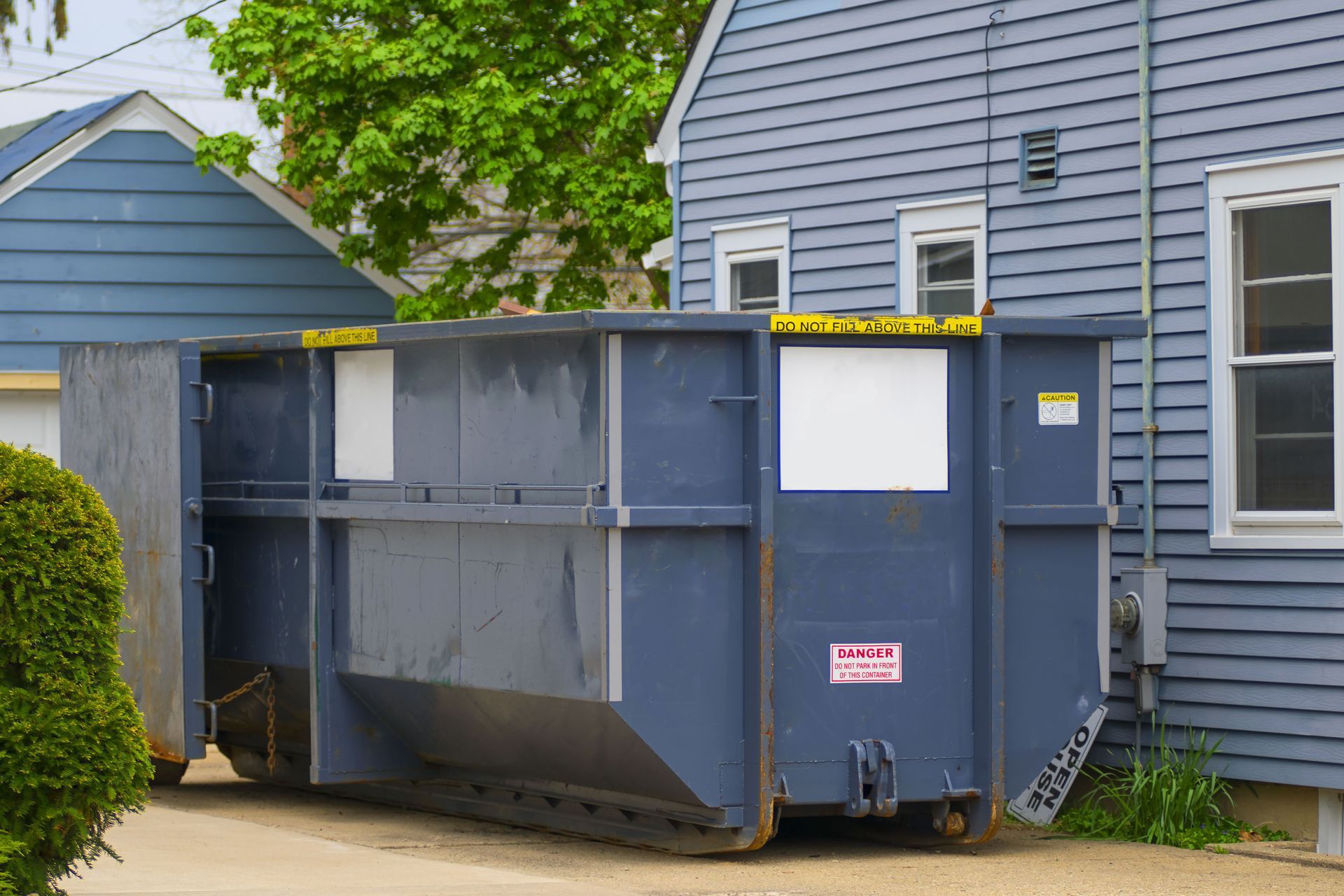
The home improvement industry has witnessed significant growth, with an increasing number of homeowners engaging in renovation projects to personalize their living spaces and improve long-term property value. This trend has led to an upsurge in residential waste, necessitating efficient waste management solutions like roll off dumpsters. Homeowners find these dumpsters most advantageous due to their capacity to handle various types of waste, including construction debris and unwanted household items. Furthermore, these projects often generate substantial waste quantities that require quick and effective removal to avoid delays and safety concerns. Roll off waste containers provide a convenient solution, enabling homeowners to maintain a clean work site and comply with local waste disposal regulations.
Effective waste management has become essential for homeowners undertaking large cleanup tasks, from decluttering basements to renovating outdated interiors and preparing properties for resale. Roll off waste containers are advantageous because they can accommodate bulk waste and are readily available for prompt delivery and pickup, simplifying overall disposal efforts. The broader waste management industry supports a wide range of residential services, including durable dumpster solutions designed to handle demanding projects. Ongoing industry development encourages innovation and healthy competition among providers, leading to more cost-effective and environmentally responsible options for homeowners. As awareness of sustainable practices continues to grow, demand for roll off dumpsters is expected to increase further across residential markets.
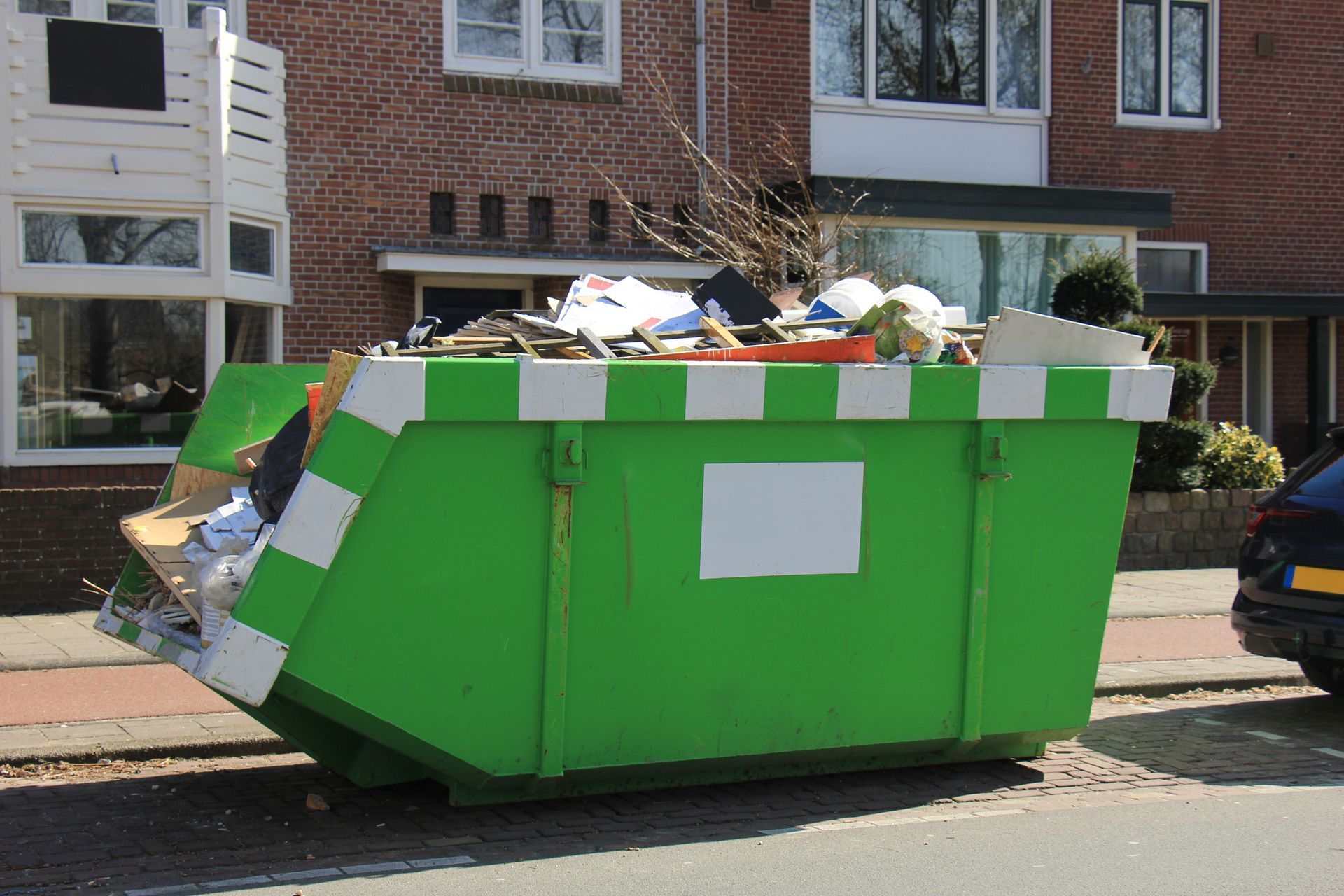
Landscaping projects often produce considerable organic waste, such as branches, soil, and foliage, necessitating an effective disposal solution to maintain both aesthetic and environmental standards. Roll off waste containers allow homeowners to manage this bulk waste efficiently, reducing the risk of clutter and potential nuisances like pests or drainage issues. Seasonal cleanups also benefit from this waste management solution, enabling individuals to dispose of accumulated waste efficiently and responsibly. Furthermore, some services provide recycling options for organic waste, promoting eco-friendly disposal and encouraging green practices among homeowners. As a result, these dumpsters are a valuable asset for individuals pursuing both small-scale projects and extensive property transformations.
2. Commercial Construction and Demolition
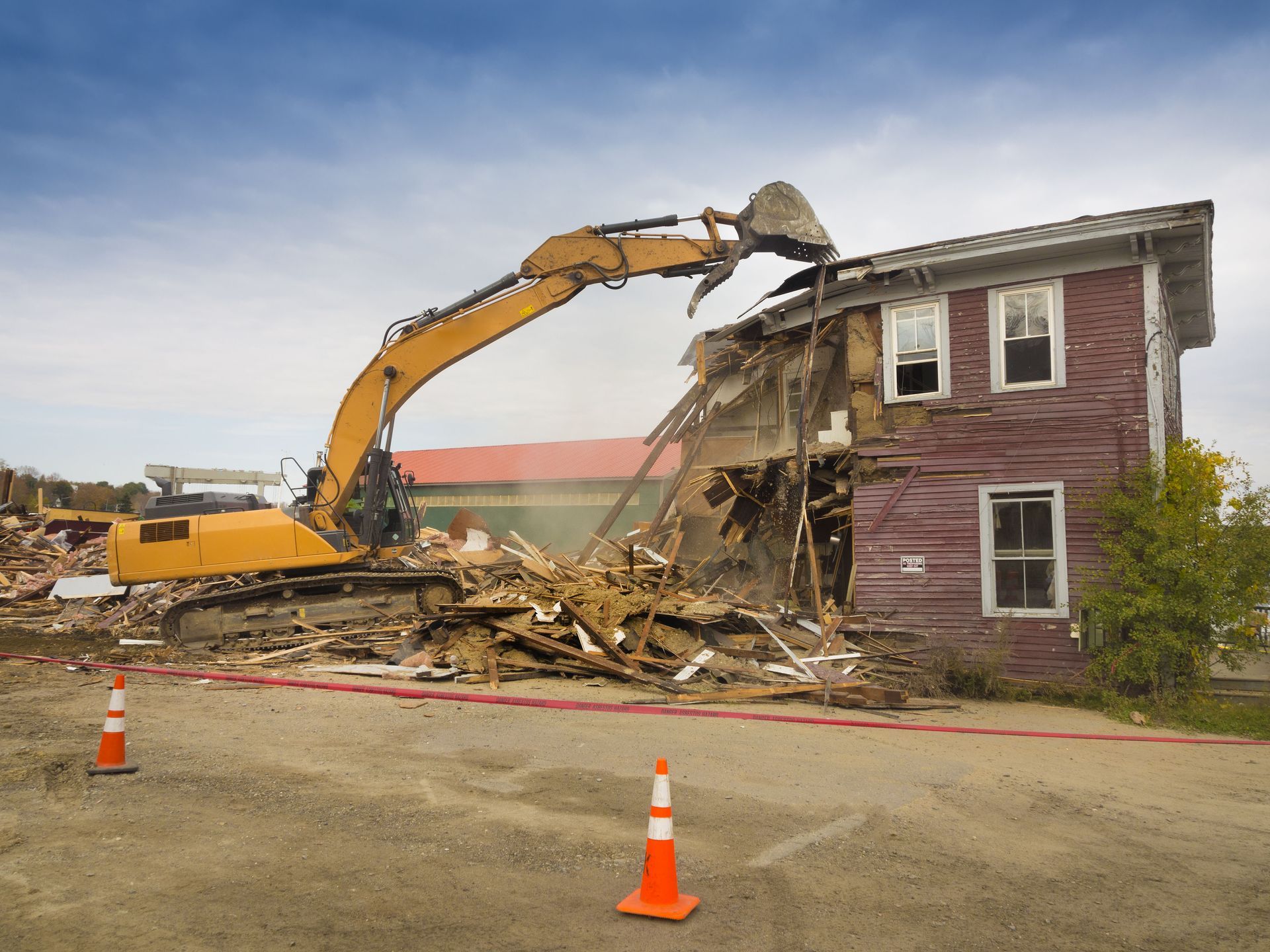
The rapid pace of urbanization and expansion of commercial infrastructure has amplified the volume of construction debris globally. Roll off dumpsters are tailored to handle these massive waste quantities effectively, making them essential for construction sites of varying scale and complexity. They ensure a streamlined process for the collection and transportation of waste materials, facilitating compliance with waste disposal regulations and enhancing overall site safety. The integration of these dumpsters reduces clutter on-site, helping maintain organized and efficient operations while supporting consistent workflow. Moreover, they accommodate a wide array of materials, from metals to concrete, underscoring their versatility in managing diverse and evolving waste streams common to modern construction projects.
Safety is a paramount concern in commercial construction, where the management of waste influences both daily operations and long-term project outcomes. Roll off waste containers provide pivotal support by containing potential hazards through structured and centralized waste management. By minimizing loose debris, they foster safer work environments for construction personnel and reduce the likelihood of accidents, delays, and operational roadblocks. Additionally, these dumpsters support compliance with rigorous safety and waste containment protocols mandated by local authorities. In tandem with safety considerations, roll off waste containers promote operational efficiency, helping projects adhere to timelines, labor coordination, and cost constraints without compromising standards.
Commercial construction projects face stringent regulations concerning waste disposal, particularly in urban settings where sustainability measures are emphasized. Roll off dumpsters offer a compliant and eco-conscious waste management approach, aiding businesses in mitigating environmental impact while maintaining regulatory alignment. These containers facilitate the segregation of recyclables and the reincorporation of construction materials, aligning with green building initiatives and circular economy goals. Service providers often coordinate with local recycling centers to ensure that waste is processed in accordance with regulations, furthering efforts toward responsible material recovery. As environmental consciousness grows across the industry, the demand for these waste management solutions is anticipated to increase, supporting long-term sustainability and responsible growth within the construction sector.
3. Industrial Waste Management
Industrial operations generate significant quantities of waste, and efficient disposal mechanisms are crucial to maintaining operational efficiency and regulatory compliance. Roll off dumpsters provide an effective solution for managing diverse industrial waste streams, allowing facilities to streamline waste disposal procedures. These containers accommodate the large volumes of waste typical in manufacturing settings, from packaging materials to production by-products. Furthermore, their customizable features enable industries to tailor waste management approaches to specific operational needs. As the industrial sector continues to expand, roll off waste containers are poised to become more integral to maintaining productivity and regulatory adherence.
The adoption of lean manufacturing practices drives industrial managers to optimize waste management systems, aiming for process efficiency and waste reduction. Roll off waste containers support these initiatives by offering an organized and streamlined approach to collecting and disposing of waste materials. The efficient containment and transportation of waste reduces downtime, facilitating uninterrupted production processes. Additionally, these dumpsters promote resource recovery and recycling, essential components of lean manufacturing. Through their role in fostering waste minimization and resource efficiency, roll off waste containers contribute substantially to the advancement of lean principles in industrial settings.
Industries dealing with hazardous wastes face unique challenges that require specialized waste management solutions. Roll off dumpsters can be designed to handle hazardous materials safely, incorporating features that prevent environmental contamination and worker exposure. Coordinating with waste-to-energy plants, these dumpsters help ensure that waste is processed in a manner consistent with environmental protection goals. According to WasteDoor, the North American market for waste management soared to $210.31 billion in 2025, emphasizing the demand for innovative and responsible waste solutions. Consequently, tailored and sustainable practices such as these are critical in adapting to the constantly evolving regulatory landscape for industrial waste management.
In an era where efficient waste management is pivotal to societal progress and environmental conservation, roll off dumpsters stand out as multifaceted solutions meeting diverse needs. This article outlines the varied applications of these versatile tools across multiple sectors, highlighting their irreplaceable role in residential, commercial, industrial, public, and emergency contexts. As valued assets in reducing waste impact, roll off waste containers will likely continue evolving in function and utility alongside technological advancements. Maintaining relevance by integrating sustainability initiatives, these dumpsters are anticipated to innovate and adapt amidst shifts in environmental priorities. With these considerations, the future development of roll off waste containment will focus on advancing the ecological compatibility and versatility of these dumpsters to successfully address waste management challenges of 2026 and beyond. For more information on roll off waste containers and other waste management services, be sure to contact K & G Patton Enterprises Inc!